
Global News
Global News
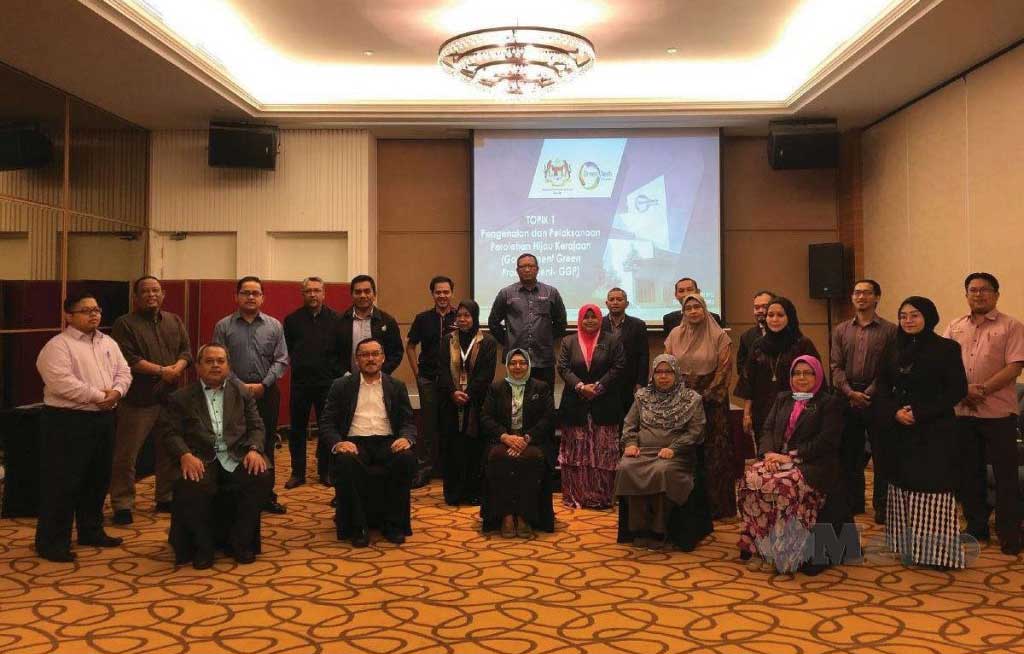
Perkasakan Kelestarian Alam Sekitar
Kuala Lumpur: “Kemerdekaan negara yang dikecapi lebih enam dekad seakan-akan tidak bererti jika kita semua tidak berganding bahu dalam isu kelestarian alam semula jadi,” kata Ketua Pegawai Eksekutif Malaysia Green Technology and Climate Change Centre (MGTC) Shamsul Bahar Mohd Nor.

Indonesian and Lao cities share low emission development learnings
The local governments and relevant stakeholders of Urban-LEDS II cities from Indonesia and Lao PDR shared their key learnings throughout the four-year implementation of the Urban Low Emissions Development Strategies (Urban-LEDS II) project during a regional networking seminar held virtually last 28 July 2021.
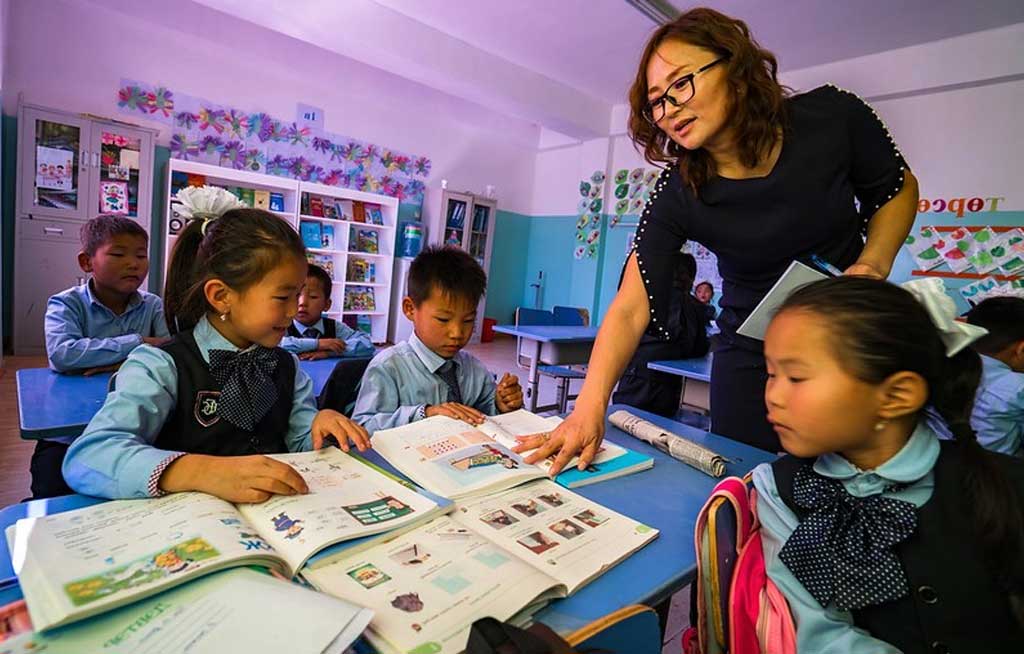
Teacher quality is the key to improving education in Asia and the Pacific
The global learning crisis is actually a teaching crisis. The quality of teachers has the greatest impact on improving student learning outcomes. Most developing countries in Asia and the Pacific face major challenges in recruiting the best candidates for a long-term teaching career.
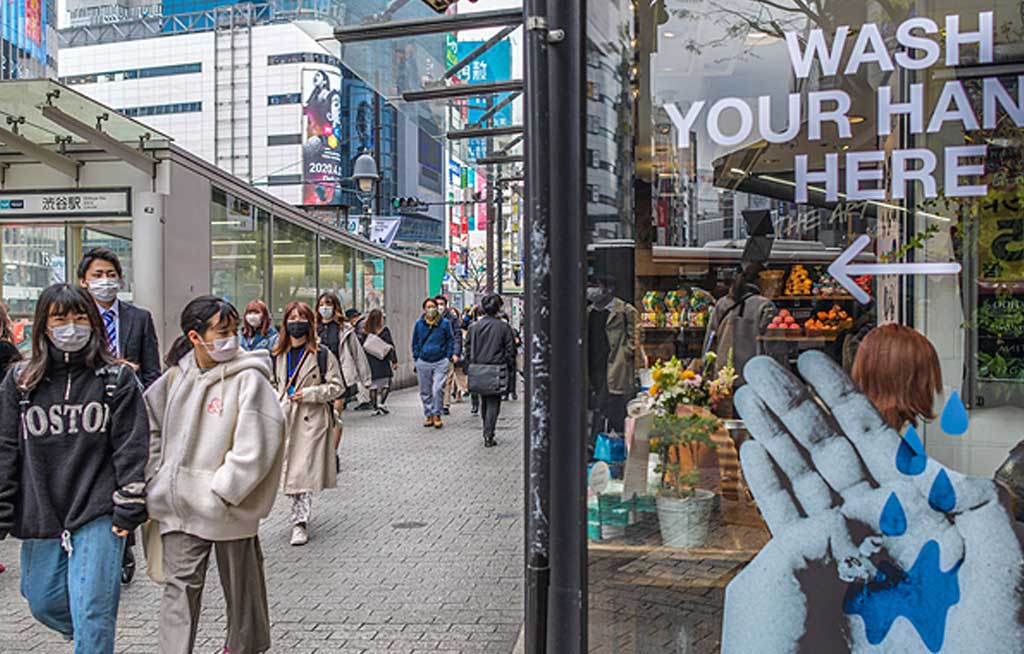
Redesigning Cities for Resilience and Livability
Cities with high density face a potential high risk of exposure to the coronavirus disease (COVID-19). The virus is easily spread by people through direct and indirect contact, especially in areas where social distancing is barely possible.

A Bounce-Back Strategy fro Green and Resilient Transport
The spread of coronavirus disease (COVID-19) since the beginning of 2020 has been dramatic in terms of its speed, scale, and economic and social impact. The highly interconnected nature of 21st century globalization allowed the virus to reach nearly all the corners of the globe within a few months.

How Electric Vehicles Can Make Tajikistan Emissions-Free
Tajikistan produces more than 95% of its electricity with hydropower and has a large potential to expand production. However, the country lacks fossil fuel resources and is highly dependent on imported fuel. In the transport sector, these factors make shifting to electricity from fossil fuels very attractive.
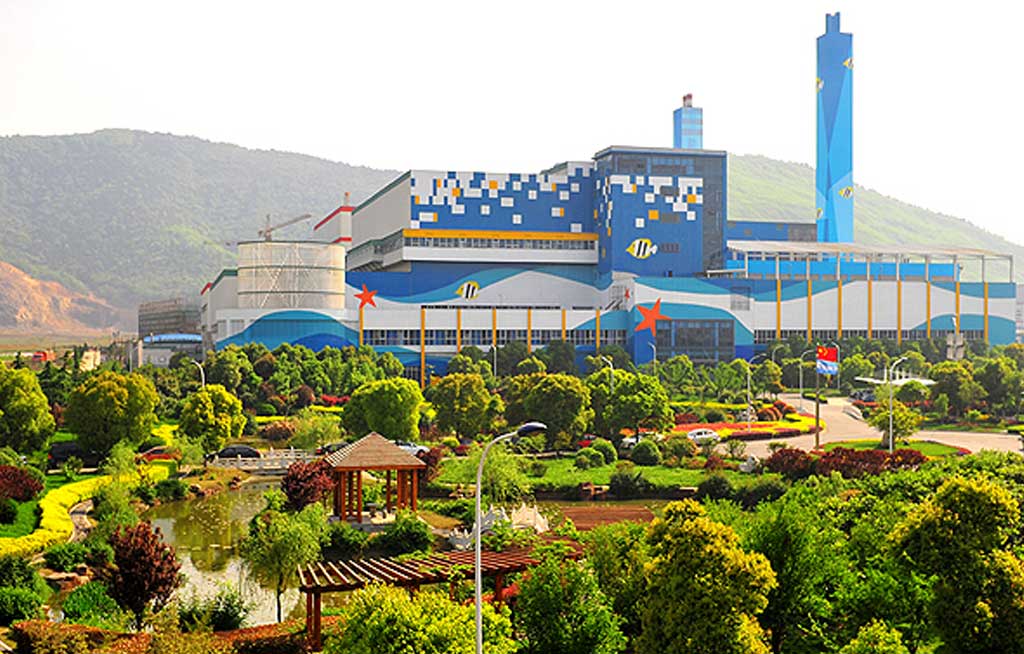
Mobilising Private Capital and Know-how to Turn Waste into Energy
Relevant and practical integrated waste management approaches are crucial for countering public health impacts of uncollected waste and environmental impacts of open dumping and burning. Medium to large cities in the People’s Republic of China (PRC) considers this as a pressing need(link is external) to help them attain environmental sustainability and improve the quality of life of their citizens.
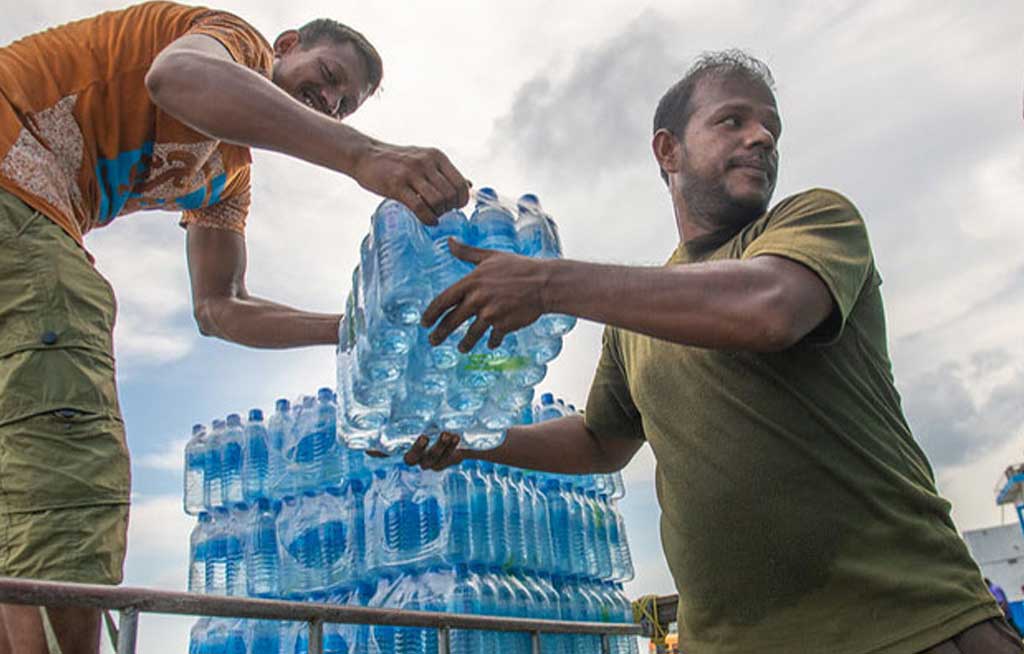
Community Participation Can Help Build Back Better after a Disaster
Community participation by local groups can play a significant role in processes that support sustainability. It can fill the gaps in human and financial resources that hamper government’s capacity to deliver public services. Through volunteerism and by building social cohesion, local groups can help authorities identify activities that can improve the welfare of the community.
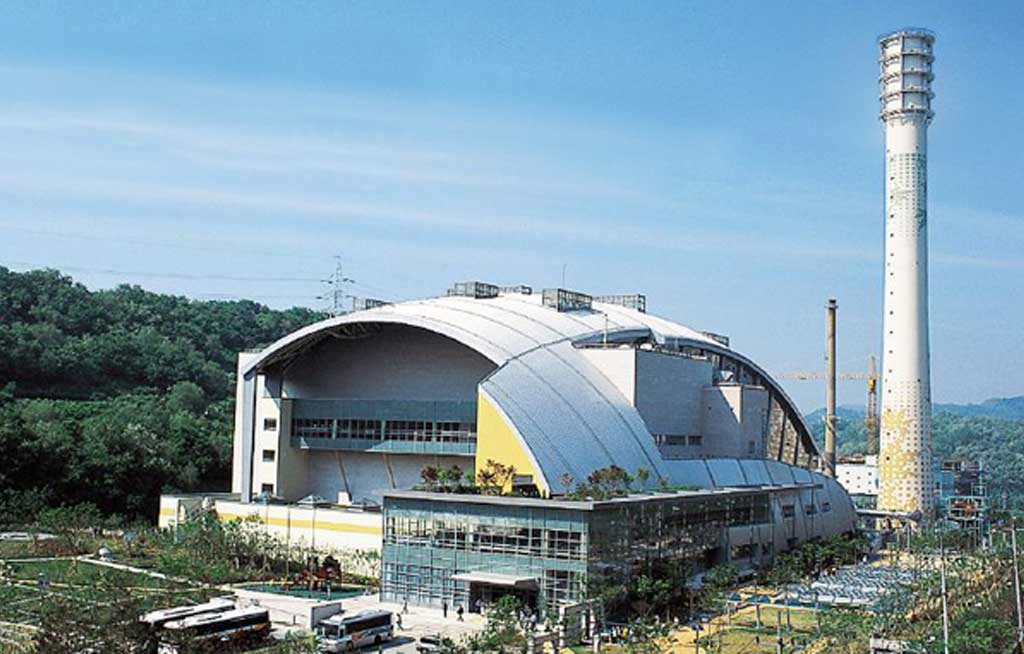
Turning Municipal Waste Into Energy
Tajikistan produces more than 95% of its electricity with hydropower and has a large potential to expand production. However, the country lacks fossil fuel resources and is highly dependent on imported fuel. In the transport sector, these factors make shifting to electricity from fossil fuels very attractive.

Three Priorities toward Achieving Youth Pandemic Recovery
Asia and the Pacific is home to almost 60% of young people in the world. The opportunities to maximize their potential for innovation and sustainable development is vast. The Asian Development Bank (ADB) Strategy 2030 suggests that demographic dividends are often correlated with strong economic development and social progress
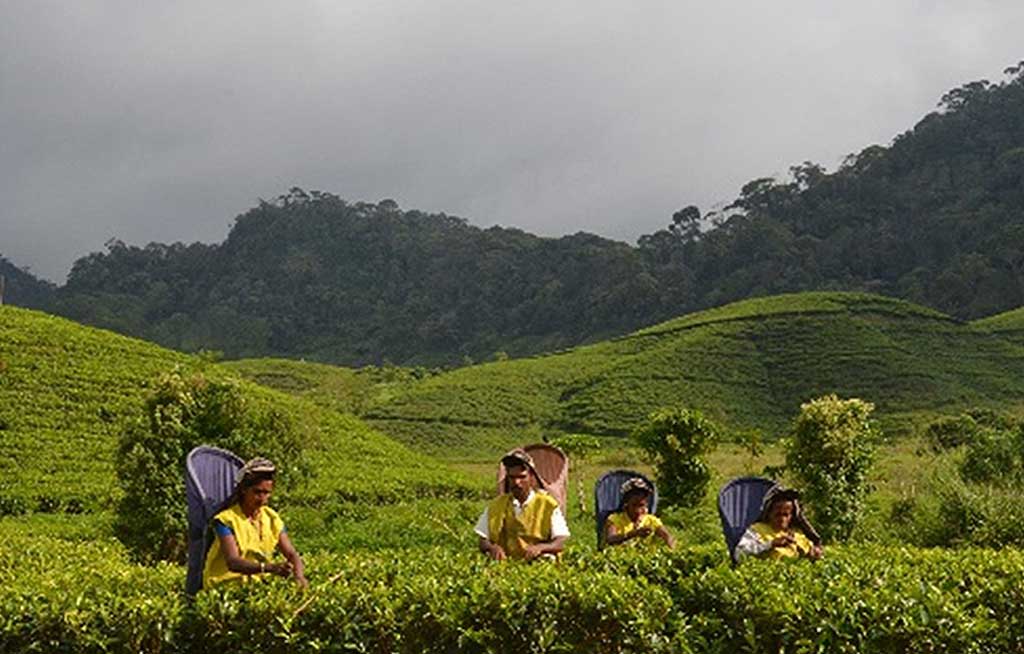
Making Sri Lanka’s Tea Industry Sustainable
The tea industry has played a crucial role in the economic development of Sri Lanka, which is a major producer and exporter of tea in the world. While its relative importance has waned over the years due to lack of dynamism and rapid growth of the nonagricultural sector, tea remains a vital industry in terms of its contribution to national output, employment, and net foreign exchange earnings.
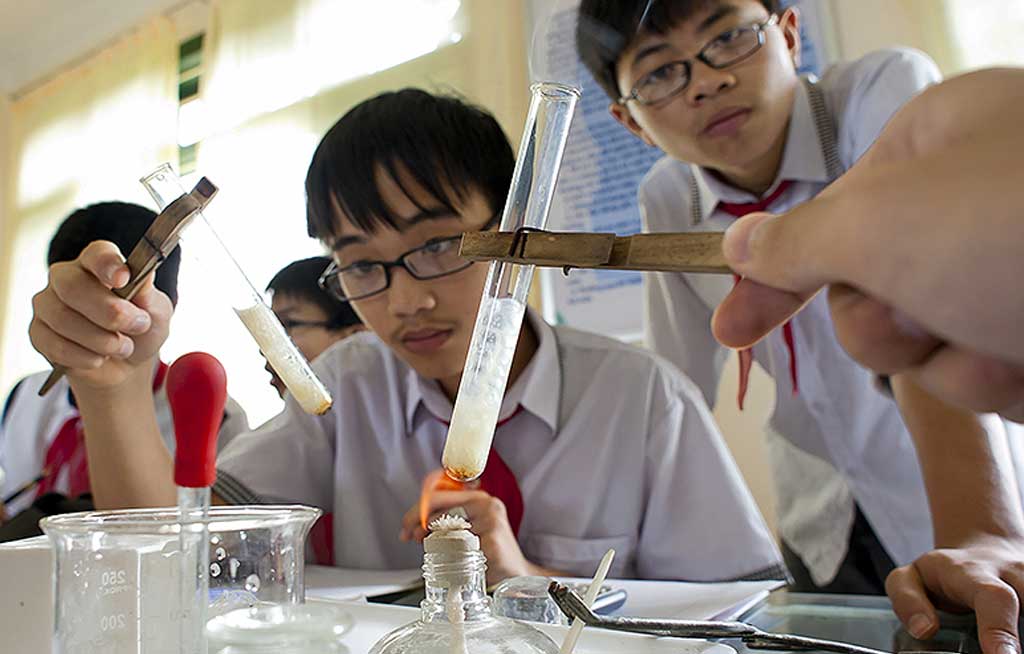
Four Case Studies on How to Give STEM Education a Push
Science, technology, engineering, and mathematics (STEM) education plays a significant role in achieving the Sustainable Development Goals (SDGs), particularly SDG 4—ensuring inclusive and equitable quality education and promoting lifelong learning opportunities for all. It promotes 21st-century skills by using real-world, complex problems as instructional contexts.
Come journey with us
Whether you represent central or local government, a local municipal authority, a private sector organisation, academic institution or are promoting sustainability solutions we want to hear from you to explore how we might partner together.